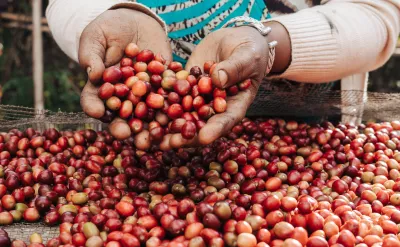
Arabica
beans account for around 70 percent of global coffee production. The
development of this bean can be traced back over 10,000 years. Arabica grows at
altitudes between 800 and 2,500 meters, is demanding to cultivate, and
particularly susceptible to diseases and frost damage.
Visually,
you can recognize Arabica by its curved groove. In terms of taste, it shows
itself at its most elegant: fruity and floral notes, mild, well-defined
acidity, and a fine aromatic complexity that makes it a favorite of many coffee
lovers.
If you want
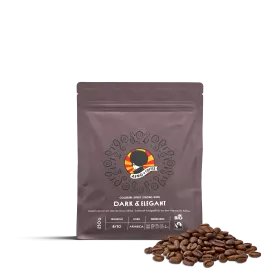
to experience Arabica especially intense and dark-roasted, you should
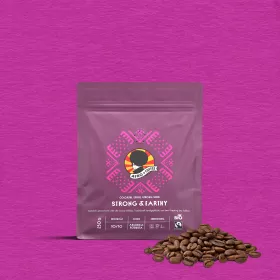
definitely try our Dark & Elegant – a full-bodied, profound Arabica with
refined roast aromas.
Robusta
– powerful, earthy, and full of character
The age of
the Robusta bean is estimated to be up to 100,000 years. Around 30% of the
coffee beans processed worldwide come from this variety. Robusta grows at lower
altitudes between 200 and 800 meters and is extremely resistant to diseases and
frost.
You can
recognize it by its straight groove – and of course by its distinctive flavor
profile: full-bodied, earthy, with strong bitter notes, woody nuances, and
significantly more tannins than Arabica. A bean that brings real power.
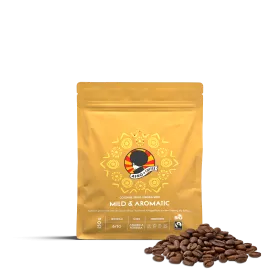
In our range, you’ll find Robusta in perfectly balanced Arabica–Robusta
blends:
These
blends combine the best of both worlds: the elegance of Arabica and the
strength of Robusta.
And so that
you don’t just taste the two bean worlds but can also compare them at a glance,
we’ve prepared a colorful Arabica vs. Robusta graphic for you – clear, vibrant,
and just as diverse as coffee itself.
Capsule machine or fully automatic machine – 5 reasons why many people choose capsules
Are you looking for the perfect coffee machine for your everyday life? We'll show you the most important differences, advantages, and what really matters when comparing them.
deepdesign®
For the design of our Afro Coffee Kahawa capsule machine, we collaborated with the renowned Milan-based studio deepdesign®. With their long-standing expertise in consumer electronics, deepdesign® translated our brand values into a timeless and user-friendly form.
Coffee from Ethiopia – Origin, Flavors, and Cultural Significance
Discover the origins of coffee in Ethiopia.
Learn about its history, flavors, growing regions, and the importance of
sustainability in Ethiopian coffee


 Subscription
 Capsules
 Beans
Beans
 Ground Coffee
 Capsule Machine